Seasonal weather changes are a fact of life in Canada, especially in Calgary and the surrounding region. But have you ever wondered how do seasonal weather changes affect your windows and doors? The answer is more important than you might think. As temperatures rise and fall, and as humidity, rain, snow, and wind come and go, your building’s windows and doors face constant stress. Over time, these changes can cause problems ranging from drafts and leaks to warping, condensation, and even hardware failure. Understanding how seasonal weather changes affect your windows and doors helps you maintain comfort, security, and efficiency in your commercial or residential property.
The Science Behind Seasonal Weather Changes and Building Materials
When the seasons shift, so do the conditions your windows and doors must handle. In the spring and summer, increased humidity and heat can make wooden frames swell or warp, while metal frames may expand, sometimes breaking the seals around your glass. In fall and winter, dropping temperatures cause materials to contract, which can lead to shrinking, bowing, or even cracks in the frames and glass. The constant expansion and contraction put stress on seals, weatherstripping, and hardware, making it essential to check your windows and doors regularly.
Table: Common Effects of Seasonal Weather on Windows and Doors
| Season | Main Weather Effects | Impact on Windows and Doors |
|---|---|---|
| Spring | Rain, humidity | Swelling wood, water intrusion, pollen buildup |
| Summer | Heat, sun, storms | Expansion, warping, fading, hardware stress |
| Fall | Cool temps, wind, rain | Contraction, drafts, debris in tracks |
| Winter | Cold, snow, ice | Shrinking, ice formation, seal failure, cracking |
How Do Seasonal Weather Changes Affect Your Windows and Doors? Key Issues
1. Expansion and Contraction
One of the most common ways seasonal weather changes affect your windows and doors is through expansion and contraction. Materials like wood and metal respond to heat by expanding and to cold by contracting. This movement can stress the frames, break seals, and create gaps that let in drafts or moisture. Over time, this cycle can lead to warping, bowing, or even permanent misalignment.
2. Warping, Bowing, and Shrinking
Wooden frames are especially vulnerable to humidity and temperature swings. In humid or wet conditions, wood absorbs moisture, causing it to swell or warp. In dry, cold weather, wood can shrink, leading to gaps and reduced energy efficiency. Even metal and vinyl frames can bow or become misaligned if exposed to repeated seasonal stress.
3. Condensation and Moisture Problems
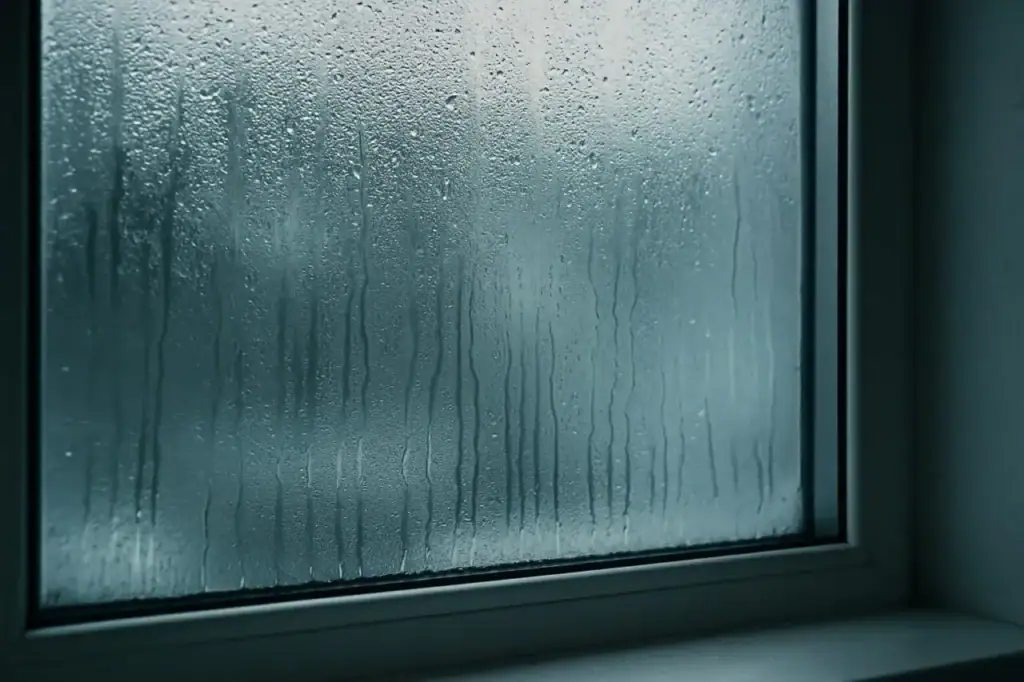
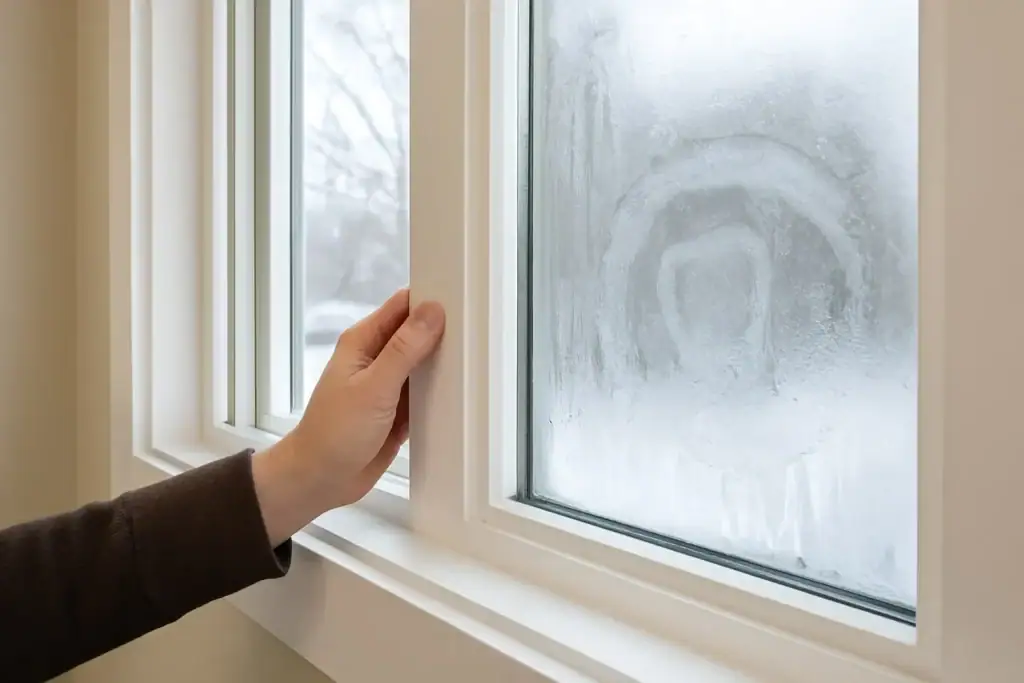
Condensation is another sign of how seasonal weather changes affect your windows and doors. When warm, moist air inside meets cold glass during winter, condensation forms. While some condensation is normal, persistent moisture between panes or on frames can signal seal failure or leaks. This can lead to mold, rot, or damage to window sills and walls.
4. Drafts and Air Leaks
As seals and weatherstripping age or are damaged by expansion and contraction, air leaks can develop. Drafty windows and doors make your building less comfortable and drive up energy costs. Seasonal weather changes often make these problems worse, especially during windy fall and winter months.
5. Hardware and Mechanism Failures
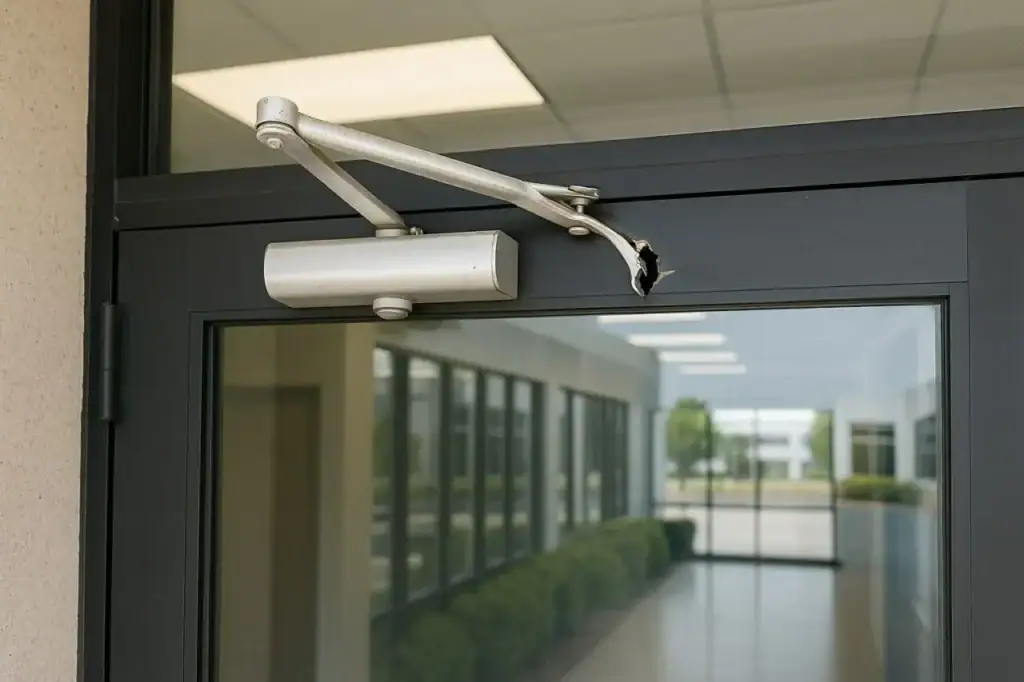
Extreme temperatures, ice, or moisture can cause hardware-like locks, hinges, and latches-to stick, jam, or corrode. Awning and casement windows, which rely on cranks and latches, are especially prone to problems when exposed to freezing or fluctuating weather. Regular cleaning and lubrication can help, but sometimes professional repair is needed.
6. Ice Formation and Damage
In winter, any moisture trapped between frames and sashes can freeze, making it hard to open or close your windows and doors. This can damage weatherstripping and even crack glass or frames if the ice expands.
How to Protect Your Windows and Doors from Seasonal Weather Changes
Knowing how do seasonal weather changes affect your windows and doors is only half the battle. Here’s how you can reduce the impact:
- Inspect regularly: Check for signs of warping, gaps, or condensation as the seasons change.
- Maintain seals and weatherstripping: Replace worn or cracked seals to prevent drafts and leaks.
- Lubricate hardware: Clean and oil hinges, locks, and cranks to prevent sticking.
- Treat wood surfaces: Use paint or sealant to protect wooden frames from moisture.
- Upgrade glazing: Consider insulated or laminated glass for better energy efficiency and durability.
- Install storm doors or windows: These add a layer of protection against extreme weather.
When to Call a Professional
Some issues caused by seasonal weather changes-like persistent drafts, foggy windows, or doors that won’t close-are best handled by professionals. At Doorway Dynamics, our team specializes in diagnosing and repairing all types of commercial doors and windows, including aluminum storefronts, fire-rated doors, and glass partitions. We can help you restore comfort, security, and efficiency, no matter the season.
Conclusion
Understanding how do seasonal weather changes affect your windows and doors helps you protect your property from damage, reduce energy costs, and maintain comfort all year. By staying proactive with inspections and maintenance, and by calling professionals when needed, you can extend the life of your windows and doors and avoid costly repairs down the road.
Frequently Asked Questions (FAQ)
- How do seasonal weather changes affect your windows and doors the most?
The biggest impacts are expansion and contraction, which can cause warping, shrinking, drafts, and seal failure. - Why do I see condensation on my windows in winter?
Condensation forms when warm indoor air meets cold glass. Persistent condensation can mean seal failure or poor insulation. - What are signs my windows or doors need repair after a season change?
Look for drafts, difficulty opening/closing, visible gaps, water stains, or fog between panes. - Can I prevent all seasonal damage myself?
Regular maintenance helps, but some issues-like cracked glass or warped frames-need professional repair12. - How often should I check my windows and doors?
Inspect at least twice a year, ideally in spring and fall, to catch problems before they worsen. - What materials handle seasonal changes best?
Aluminum and PVC resist warping better than wood, but all materials benefit from regular care and quality installation. - Who can help with repairs in Calgary and area?
Doorway Dynamics offers expert commercial door and window repair throughout Calgary and nearby regions.
If you’re dealing with drafts, leaks, or damage from seasonal weather changes, contact Doorway Dynamics for fast, reliable commercial window and door repair in Calgary and surrounding areas. Our experienced team is ready to help you keep your property secure and comfortable, no matter the season.