Window condensation is a common problem, especially in climates with cold winters and high indoor humidity. If you’re asking, how to stop window condensation?, you’re not alone. Condensation can cause more than just foggy glass-it can damage window frames, promote mold growth, and even reduce energy efficiency in your building. This guide will help you understand why condensation happens, how to prevent it, and when to seek professional help. By the end, you’ll have practical solutions for stopping window condensation and keeping your property comfortable and healthy.
Why Does Window Condensation Happen?
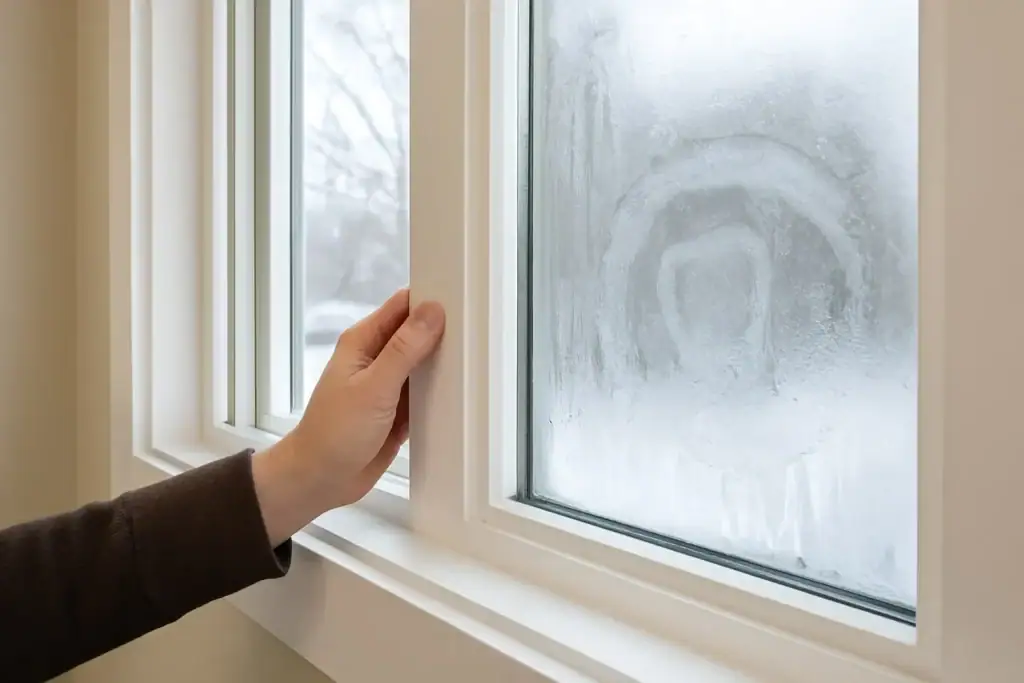
Condensation forms when warm, moist air comes into contact with a cooler surface, like your window glass. The sudden drop in temperature causes water vapor to turn into liquid droplets on the glass. This is especially common in winter, when indoor air is warm and outdoor temperatures are low. High humidity from cooking, showering, or even breathing can make the problem worse. If you see condensation between panes of glass, it often means the window seal has failed and needs professional attention.
Table: Types and Causes of Window Condensation
| Type of Condensation | Where It Appears | Main Cause | Solution Needed |
|---|---|---|---|
| Interior (inside glass) | Room side of window | High indoor humidity, poor airflow | Reduce humidity, ventilate |
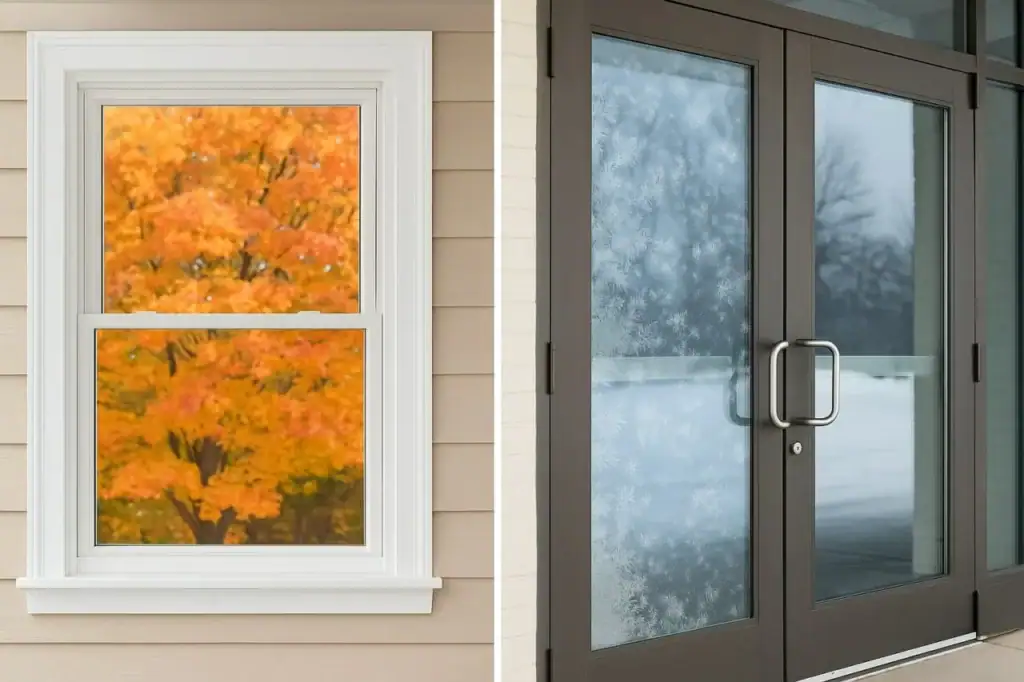
| Exterior (outside glass) | Outside window pane | Cool outdoor air, warm glass | Usually harmless, temporary |
| Between panes (sealed unit) | Inside double glazing | Failed window seal | Professional repair/replacement |
How to Stop Window Condensation? Practical Solutions
1. Improve Ventilation
Proper ventilation is one of the most effective ways to stop window condensation. When you let fresh air into your rooms, it helps carry away moist air that would otherwise settle on cold window glass. Open your windows for 10–20 minutes each day, even in winter, to let out humidity and bring in drier air from outside.
In areas like kitchens and bathrooms, use extractor fans to remove steam and moisture right at the source. You can also install trickle vents, which allow a small, steady flow of air without needing to open the window fully. Good airflow keeps the air inside your building from becoming too humid, which is key to preventing condensation on your windows
2. Use a Dehumidifier
A dehumidifier is a simple appliance that pulls extra moisture out of the air. By lowering the humidity in your rooms, it makes it much less likely for condensation to form on your windows. Place the dehumidifier in rooms where you notice the most moisture, like bathrooms, kitchens, or laundry rooms.
Make sure to empty the water tank regularly so the machine keeps working well. For best results, use a model that matches the size of your space. Dehumidifiers are especially helpful in winter, when it’s harder to ventilate by opening windows
3. Insulate Your Windows
Insulation helps keep the inside surface of your windows warmer, which reduces the chance of condensation forming. Double-glazed or triple-glazed windows are much better at insulating than single-pane windows, as they have extra layers of glass and air or gas in between.
If replacing your windows isn’t an option, you can use insulating window film or thermal curtains as a temporary fix. These add a barrier that helps keep warm air inside and cold air out, making condensation less likely to appear on your glass
4. Control Indoor Humidity
Keeping your indoor humidity at a healthy level is crucial for stopping condensation. Aim for a humidity level between 30% and 50%. You can measure this with a simple device called a hygrometer.
Everyday activities like cooking, showering, and drying clothes indoors add moisture to the air, so try to cover pots when cooking, use fans in the bathroom, and dry clothes outside when possible. If you have lots of houseplants, move them away from windows during colder months, as they also release moisture into the air
5. Use Extractor Fans and Open Curtains
Extractor fans are great for removing steam and humid air, especially in bathrooms and kitchens. Always turn them on when cooking or showering, and let them run for a while afterwards to clear out lingering moisture.
In the morning, open your curtains to let sunlight warm the windows and help dry out any moisture that formed overnight. Keeping curtains open during the day also allows air to circulate around the glass, which helps prevent moisture from getting trapped and turning into condensation
How to Stop Window Condensation in Winter
Winter brings the highest risk for condensation because of the big temperature difference between inside and outside. Here’s how to stop window condensation during colder months:
- Maintain a steady indoor temperature: Avoid letting rooms get too cold, as this cools the window glass and encourages condensation.
- Install trickle vents: These small vents allow continuous airflow without fully opening the window, reducing humidity without losing much heat.
- Apply insulating window film: Temporary films add a layer of insulation, keeping the inner glass warmer and less likely to attract condensation.
- Use your fans: Run bathroom and kitchen fans longer after use to expel lingering moisture.
DIY Tips and Materials to Stop Window Condensation
- Seal air leaks: Use caulk or weatherstripping around windows and doors to keep warm air from escaping and cold air from entering.
- Try moisture eliminators: Silica gel or moisture-absorbing products can help in small rooms or on window sills.
- Monitor with a humidistat: This device tracks humidity and helps you adjust ventilation or dehumidifiers as needed.
When to Replace or Repair Windows
If you see condensation between the panes of a double-glazed window, the seal has likely failed. No amount of ventilation or dehumidifying will fix this-you’ll need a professional to repair or replace the glass unit. Persistent condensation, even after trying these solutions, may also mean your windows are old or poorly insulated. In these cases, upgrading to modern, energy-efficient windows is the best long-term fix. So, if you’re still asking How to Stop Window Condensation?, sometimes the answer is professional repair or replacement.
Conclusion
Understanding How to Stop Window Condensation? is key to maintaining a healthy, efficient, and comfortable property. By improving ventilation, managing humidity, and upgrading insulation, you can prevent most condensation problems. For persistent issues or condensation between panes, professional help from Doorway Dynamics ensures your windows are fixed right the first time. If you ever wonder How to Stop Window Condensation?, remember these steps and don’t hesitate to seek expert support.
Frequently Asked Questions (FAQ)
- Why does condensation form on my windows?
Condensation forms when warm, humid air meets cold glass, causing water vapor to turn into liquid droplets. To answer How to Stop Window Condensation?, improve ventilation, control humidity, and insulate your windows. - How can I stop window condensation quickly?
Improve ventilation, use a dehumidifier, and open curtains to let moisture escape and keep glass warm. - Is window condensation dangerous?
While not always harmful, excess condensation can cause mold, rot, and frame damage if left untreated. - What if there’s condensation between the panes?
This means the window seal is broken. The only solution is professional repair or glass replacement. - Will double glazing stop condensation?
Double or triple glazing helps, but you still need to control indoor humidity and ventilation. - Should I keep curtains open or closed to stop condensation?
Open curtains in the morning to let sunlight in and moisture out. Closed curtains can trap moisture and cool the glass, so part of How to Stop Window Condensation? is to let air and light in. - Who should I call for persistent window condensation in Calgary?
Contact Doorway Dynamics for expert window assessment, repair, and replacement in Calgary and nearby regions.
If you’re struggling with window condensation in your commercial or residential property, reach out to Doorway Dynamics for expert solutions in Calgary and surrounding areas. Our team can assess your windows, recommend the best fixes, and help you enjoy clear, dry windows all year round.