A broken window creates immediate security risks, energy loss, and potential water damage. Whether you’re a homeowner dealing with a cracked pane or a business owner facing shattered storefront glass, knowing how to repair a broken window properly is essential. This comprehensive guide explains different repair methods, safety precautions, and when to call professionals like Doorway Dynamics for expert help.
Why Window Repair Matters
Windows serve as critical barriers against weather, noise, and intruders. A damaged window compromises these functions and can lead to:
- Security vulnerabilities that attract break-ins
- Energy inefficiency from drafts and heat loss
- Water damage from rain or snow infiltration
- Reduced property value due to poor aesthetics
Understanding how to repair a broken window helps maintain your property’s safety and functionality while avoiding costly full replacements.
Types of Window Damage and Repair Solutions
Different damage types require specific approaches:
| Damage Type | Description | Repair Method |
|---|---|---|
| Single-Pane Cracks | Small cracks under 6 inches | Glass glue or epoxy resin |
| Multi-Pane Breaks | Cracks radiating across the glass | Full pane replacement |
| Shattered Glass | Completely broken safety glass | Professional tempered glass repair |
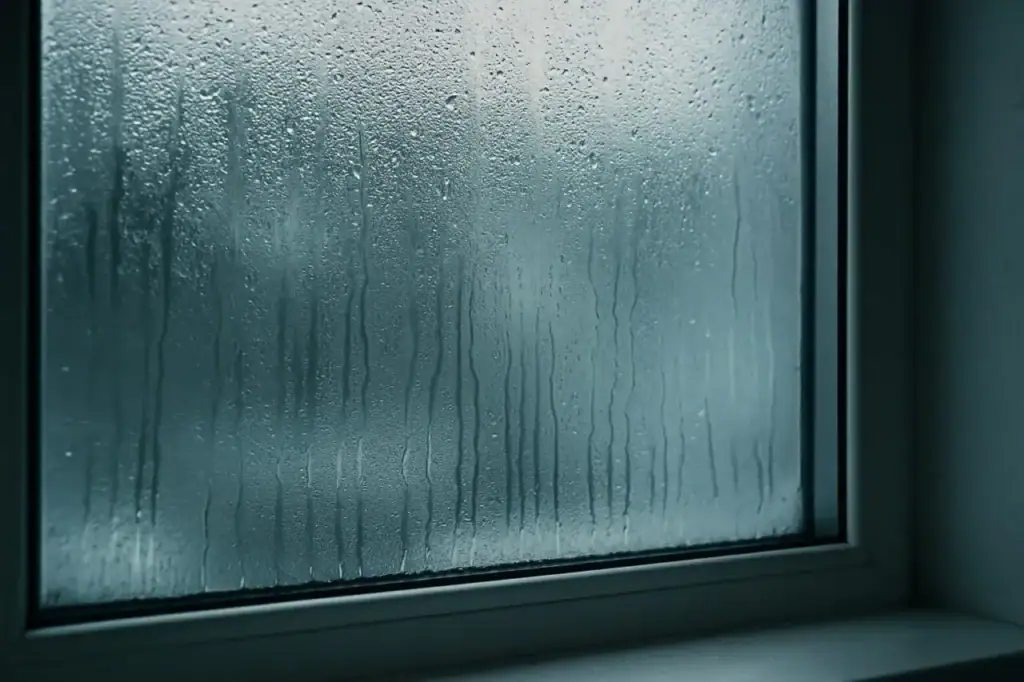
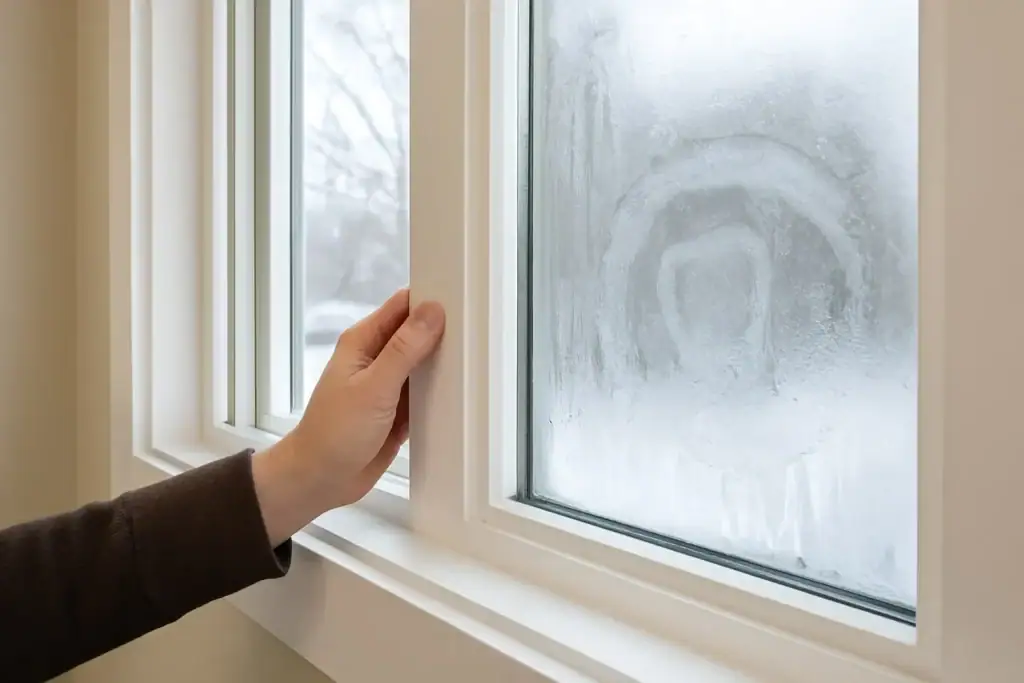
| Foggy Insulated | Moisture between double-pane glass | Seal replacement or full unit swap |
| Frame Damage | Rotted wood or bent metal frames | Frame repair/replacement |
Essential Tools and Materials
Gather these supplies before starting any window repair project:
- Safety gear: Cut-resistant gloves, ANSI-approved goggles, long sleeves
- Glass tools: Glass cutter, glazier’s points, putty knife
- Sealants: Glazing compound, silicone caulk, epoxy resin
- Measuring tools: Steel tape measure, carpenter’s square
- Cleaning supplies: Glass cleaner, lint-free cloths, razor scraper
Investing in quality tools ensures safer repairs and professional results when learning how to repair a broken window.
Step-by-Step Guide: How To Repair a Broken Window
1. Safety First Protocol
Always begin by clearing the work area and wearing proper protective gear. Cover remaining glass shards with painter’s tape to prevent accidental contact. Keep a vacuum cleaner nearby to immediately remove glass fragments.
2. Glass Removal Techniques
For broken single-pane windows:
- Use pliers to carefully extract glass shards from the frame
- Remove old glazing compound with a heat gun and putty knife
- Extract glazier’s points with needle-nose pliers
For double-pane units:
- Mark the broken pane with painter’s tape
- Score the perimeter with a glass cutter
- Gently tap out the damaged section
3. Precise Measurement Methods
Measure the window opening in three places:
- Width: Top, middle, and bottom
- Height: Left, center, and right
- Diagonals: Corner to corner to check squareness
Order replacement glass 1/8″ smaller than the smallest measurement to accommodate expansion.
4. Professional-Grade Installation
For new glass panes:
- Apply a thin bead of glazing compound around the frame
- Press the glass firmly into place
- Insert glazier’s points every 6-8 inches
- Apply exterior-grade silicone caulk for weatherproofing
For temporary fixes:
- Use clear packing tape on both sides of small cracks
- Apply UV-resistant epoxy resin for larger fractures
- Install acrylic sheets as a short-term barrier
Advanced Repair Scenarios
Repairing Foggy Insulated Glass
Modern double-pane windows sometimes develop condensation between panes. While full replacement is ideal, temporary solutions include:
- Desiccant packets: Absorb moisture through small drilled holes
- Defogging treatments: Professional-grade chemical injections
- Secondary glazing: Add storm windows over existing units
Fixing Window Frames
Common frame repairs include:
- Wood frames: Epoxy fillers for rot, sanding, and repainting
- Vinyl frames: Heat welding for cracks, replacement tracks
- Metal frames: Rust removal with naval jelly, repainting
Preventative Maintenance Strategies
Implement these practices to avoid future window repairs:
- Annual inspections: Check for cracked caulk and worn weatherstripping
- Protective films: Install 3M safety film for impact resistance
- Proper cleaning: Use ammonia-free cleaners with soft cloths
- Lubrication: Apply silicone spray to moving parts twice yearly
When to Call Doorway Dynamics
Professional help is recommended for tempered glass requiring factory-cut replacements, structural frame damage affecting building integrity, historic windows needing specialized preservation, and commercial storefronts with security film requirements. These complex scenarios demand expert tools, code compliance knowledge, and precision to ensure safety and proper functionality.
For storefronts, historical properties, or structural concerns, Doorway Dynamics provides certified technicians who handle commercial-grade repairs while meeting safety regulations. Their expertise ensures durable solutions for high-traffic environments and specialty glass needs.
Conclusion
Mastering how to repair a broken window equips you to handle minor damage quickly and safely. While DIY methods work for small cracks, complex repairs demand professional expertise. For commercial properties or specialty glass, Doorway Dynamics provides code-compliant solutions that ensure safety and energy efficiency. Regular maintenance paired with prompt repairs keeps your windows functional and secure for years.
Frequently Asked Questions
- Can I repair a broken window myself?
Small cracks and single-pane repairs can be DIY projects, but tempered glass and large commercial windows require professional handling. - How much does window repair cost?
Simple repairs cost $50-$200, while full commercial replacements range from $300-$1,000+ depending on size and glass type. - What’s the difference between tempered and annealed glass?
Tempered glass shatters into small pieces for safety, while annealed glass breaks into sharp shards. Never substitute one for the other. - How long does window repair take?
Most residential repairs take 2-4 hours. Commercial storefront replacements might require 1-2 days for proper curing. - Can I use duct tape for temporary fixes?
Avoid duct tape – it leaves residue. Use clear packing tape or specialized window film instead. - What causes windows to break spontaneously?
Thermal stress from rapid temperature changes or improper installation are common causes of unexplained breakage. - How often should windows be replaced?
Quality windows last 15-20 years, but consider upgrading if you notice frequent condensation, drafts, or difficulty operating.
For expert window repair and replacement services in commercial settings, trust Doorway Dynamics’ certified technicians. Visit doorwaydynamics.ca to schedule a consultation and protect your property with professional-grade solutions.